
Getting started with pottery is an exciting journey into creativity and craftsmanship. Many beginners wonder if a pottery wheel is essential Pinch Technique Tips: Even Walls Without Cracks (Beginner) to begin working with clay. Understanding the basics and what tools are truly necessary can make your first steps smoother and more enjoyable.
Handbuilding techniques have been used for centuries and remain popular among budding ceramic artists. While pottery wheels are iconic, they are not the only path for creating beautiful and functional ceramics. Exploring both handbuilding and wheel-throwing options helps you discover what fits your style and resources.
Building your initial tool kit doesn’t have to be expensive or overwhelming. With a few fundamental tools, you can dive into pottery and start forming unique pieces. Knowledge of step-by-step processes and essential tools ensures a strong foundation as you grow your skills.
Handbuilding vs. Wheel-Throwing in Pottery
Handbuilding refers to creating pottery using only your hands and simple tools, without the need for a wheel. This method includes techniques such as pinching, coiling, and slab building. Each approach allows for unique textures and organic forms that are often difficult to achieve on a wheel.
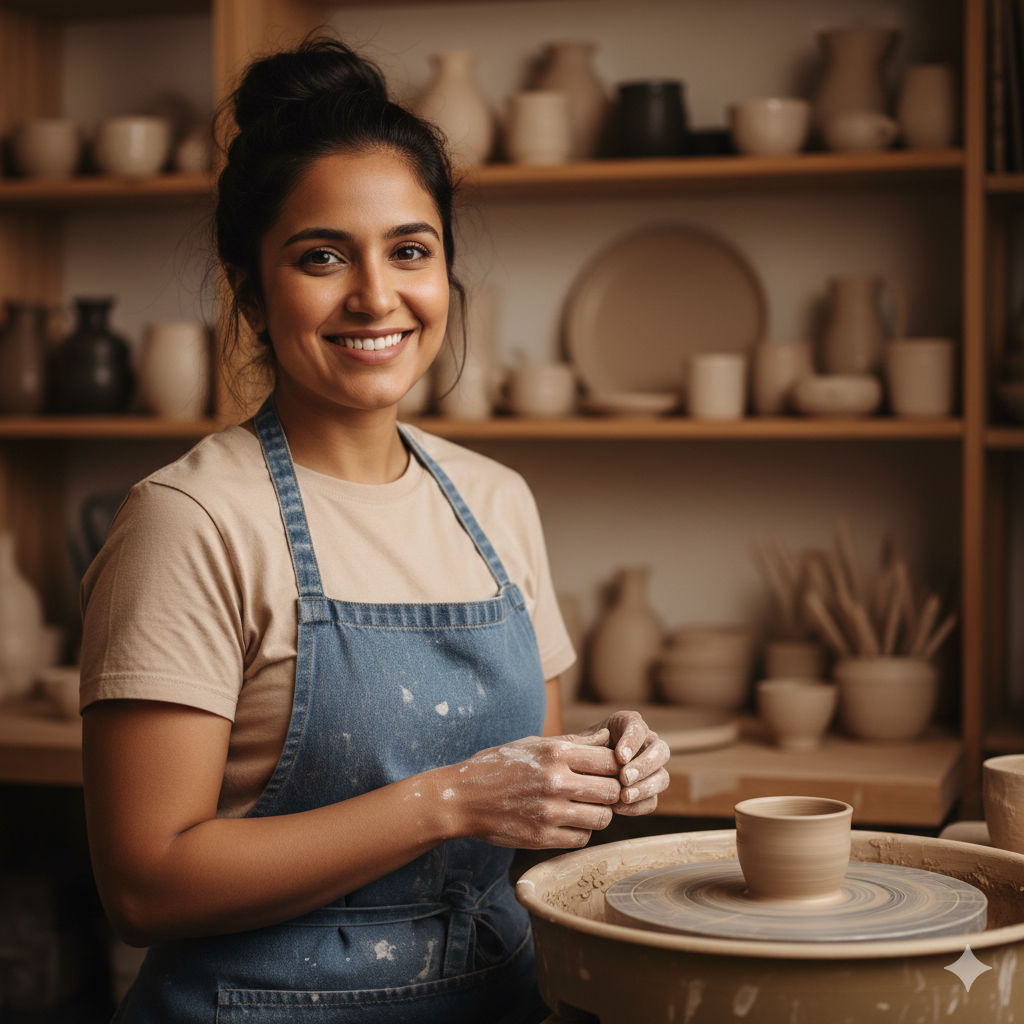
Wheel-throwing, on the other hand, involves using a spinning pottery wheel to form symmetrical pieces. While it offers speed and precision How to Roll Even Coils: Consistency tricks for beginners, it also requires more practice and investment. For absolute beginners, handbuilding is often more accessible and less intimidating.
Essential Tools for Beginner Ceramics
You don’t need an expensive pottery wheel to get started with ceramics. A basic toolkit for handbuilding can be quite simple and affordable. Here are some must-have pottery tools for beginners:
- Clay (earthenware, stoneware, or porcelain)
- Wooden modeling tools
- Wire clay cutter
- Needle tool or pin tool
- Sponge for smoothing
- Plastic or wooden ribs
With these tools, you can create a variety of forms and explore surface textures. As your skills improve, you can gradually add specialized tools according to your needs.
Building Your First Pottery Tool Kit
Start with the basics and avoid the temptation to buy everything at once. Quality over quantity is key, especially when Clay Textures for Beginners: Easy Tools and Methods working with a limited budget. Most essential handbuilding tools are easy to find and often come in beginner sets.
Consider making some of your own tools or repurposing everyday objects, such as forks or old credit cards. These can serve as effective sculpting and shaping aids. Experimentation is part of the fun, and personalizing your toolkit fosters creativity.
Step by Step: Starting with Handbuilding
Handbuilding is ideal for those starting out because of its simplicity and flexibility. Begin by kneading your clay to remove air bubbles, a process called wedging. Then, choose a technique like pinch pots, coil pots, or slab construction to shape your piece.
Follow these basic steps:
- Prepare your clay by wedging.
- Select a handbuilding technique.
- Shape your clay using your hands and simple tools.
- Smooth the surface with a damp sponge or rib.
- Allow your piece to dry slowly before firing or decorating.
This approach lets you learn the characteristics of clay and develop your personal style. As your confidence grows, you can try more advanced methods or even consider using a pottery wheel in the future.
When Should You Invest in a Pottery Wheel?
A pottery wheel can be a valuable addition to your toolkit if you become passionate about making symmetrical vessels, such as bowls and mugs. However, it is not a necessity for all beginners. Wheels are a bigger investment and require space, maintenance, and practice.
If you find yourself drawn to wheel-thrown forms, many studios offer classes and equipment for rent, allowing you to try it before making a purchase. Take your time and enjoy the learning process—there’s no rush to equip your own studio right away.
Conclusion: Choosing the Right Tools for Your Pottery Journey
Starting ceramics does not require a pottery wheel, especially for beginners focused on handbuilding techniques. A small toolkit, creativity, and practice are enough to produce inspiring pottery pieces. Let your interests and comfort guide your tool choices as you develop your craft.
Whether you decide to invest in a wheel later or stick with handbuilding, the most important thing is to enjoy the process. Pottery is about Learn more exploration, patience, and personal expression. Begin with what you have and let your skills—and tool collection—grow naturally over time.

Leave a Reply